
A New Approach to AI-Driven Travel Search
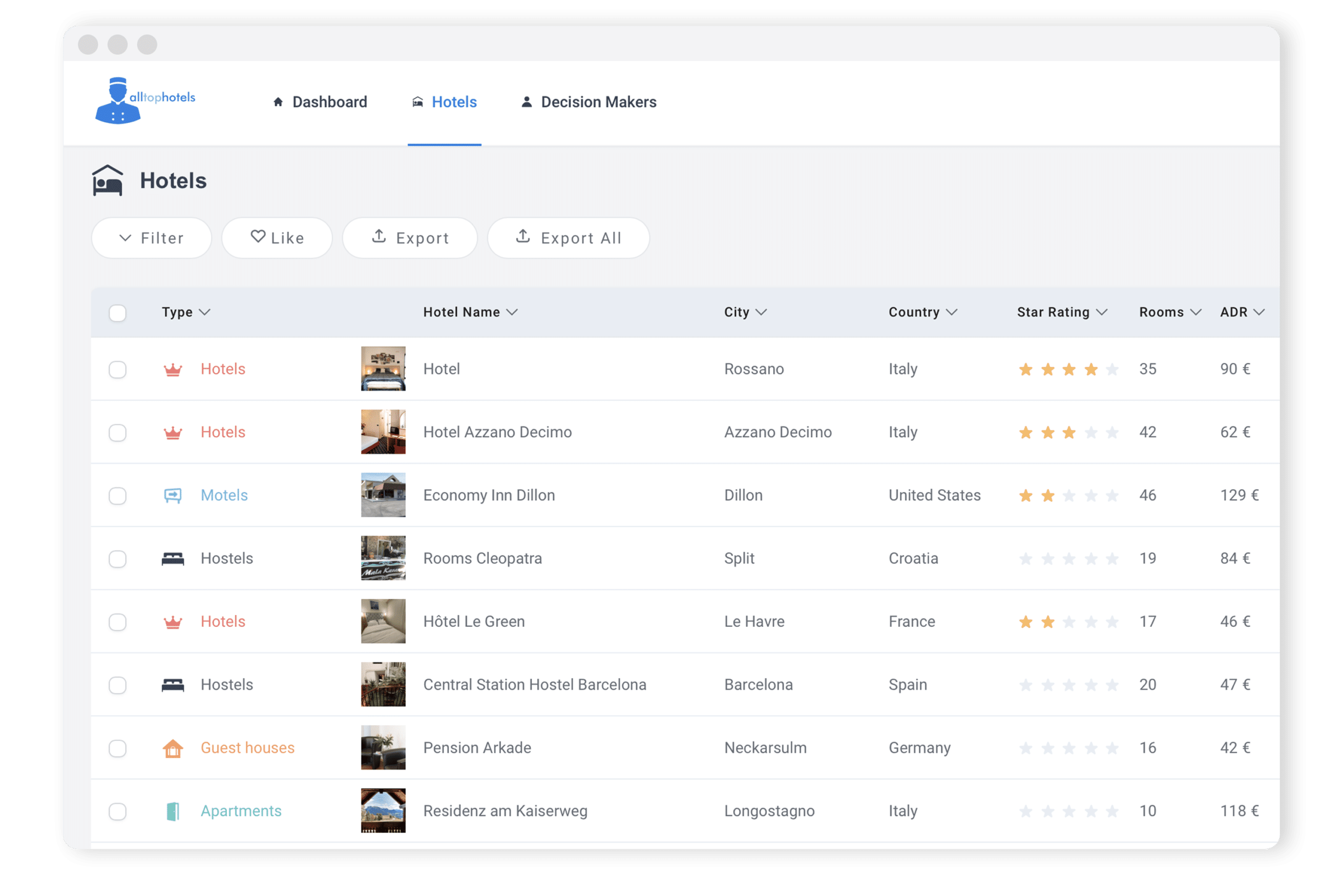
Traditionally, metasearch ads appeared alongside or below standard search results. With the arrival of Gemini, Google is now embedding these listings directly into AI-generated content. For example, a user searching for a “London itinerary” will receive a personalized, day-by-day travel plan. Within this plan, selecting the “where to stay” option reveals hotel listings complete with images, pricing details, and user reviews. These are paid placements, seamlessly integrated into the itinerary to engage users during key decision-making moments.
What This Means for Marketers
This integration represents a shift in how paid media functions within AI search experiences. Instead of appearing only in transactional searches, ads now surface earlier—during the discovery and planning phases. This gives marketers a unique opportunity to reach travelers when they are shaping their travel decisions, making it more likely to influence bookings.
Key Strategies to Maximize Impact
To make the most of this evolving platform, marketers should consider the following strategies:
- Visual-First Approach: While Gemini’s core output is text-based, listings that include compelling visuals, pricing, and clear branding can better capture user interest and drive engagement.
- Feed-Based Relevance: Leveraging real-time product feeds and contextual signals ensures that hotel ads are tailored to the user’s current planning stage, increasing their effectiveness.
- Continuous Optimization: Visibility within Gemini is influenced by several factors such as search intent, feed quality, competitive rates, and algorithmic updates. Marketers must stay agile and adapt their strategies for optimal placement.
Looking Ahead: The Future of Paid Media in AI Search
As Google continues to refine Gemini, we can expect paid media opportunities to expand beyond traditional formats. Emerging placements, such as Sponsored Listings, may provide additional ways for brands to stand out. With a strong emphasis on relevance and user intent, these new formats are likely to offer highly targeted advertising options that align closely with user needs.
In this evolving landscape, early adopters who align their strategies with AI-driven search behavior will be well-positioned to capture the attention—and loyalty—of today’s digitally savvy travelers.
Stay tuned for more updates in our Blogs to keep up with top news in the hotel Industry.
Photos Source: Presentation Intelligence